Using LATERITE stones for outdoor flooring
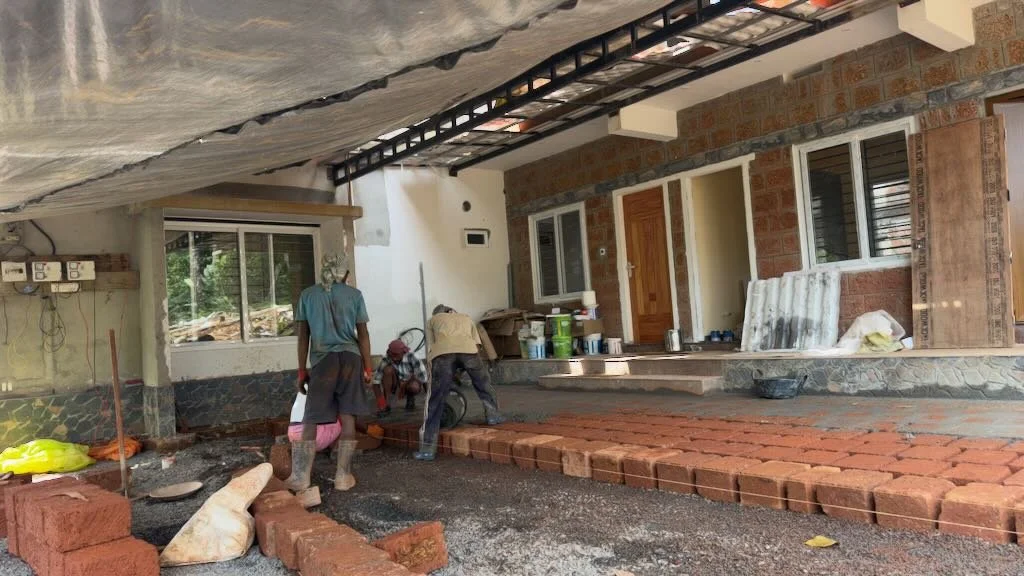
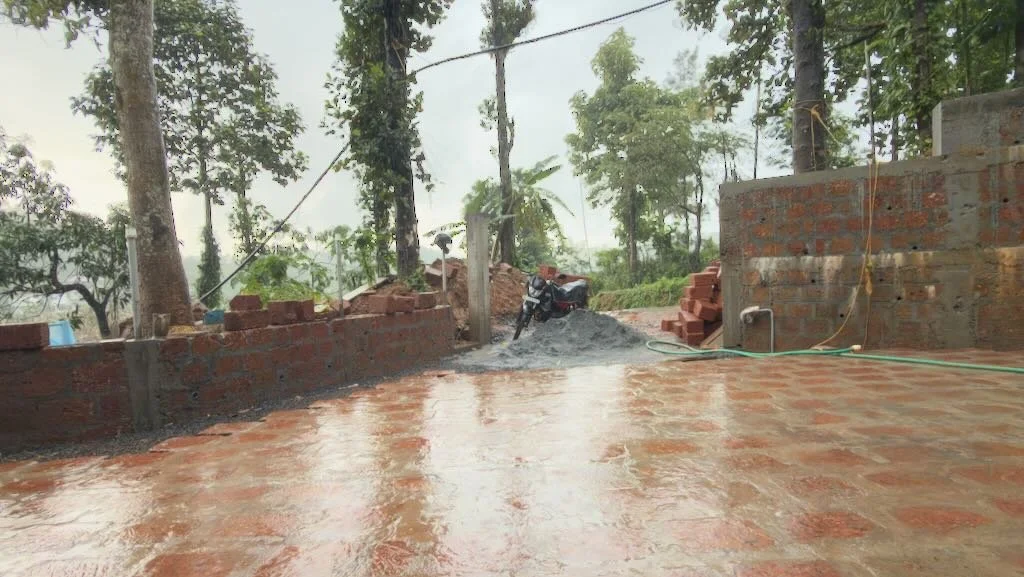
Laterite Stones used at Kris Retreat Wayanad
What it is
Laterite is a reddish, iron- and aluminum-rich stone formed in tropical climates. It’s commonly found in parts of India, Southeast Asia, and Africa. Textured and porous, it weathers naturally and develops a rustic, earthy look.
Why choose laterite for outdoor flooring
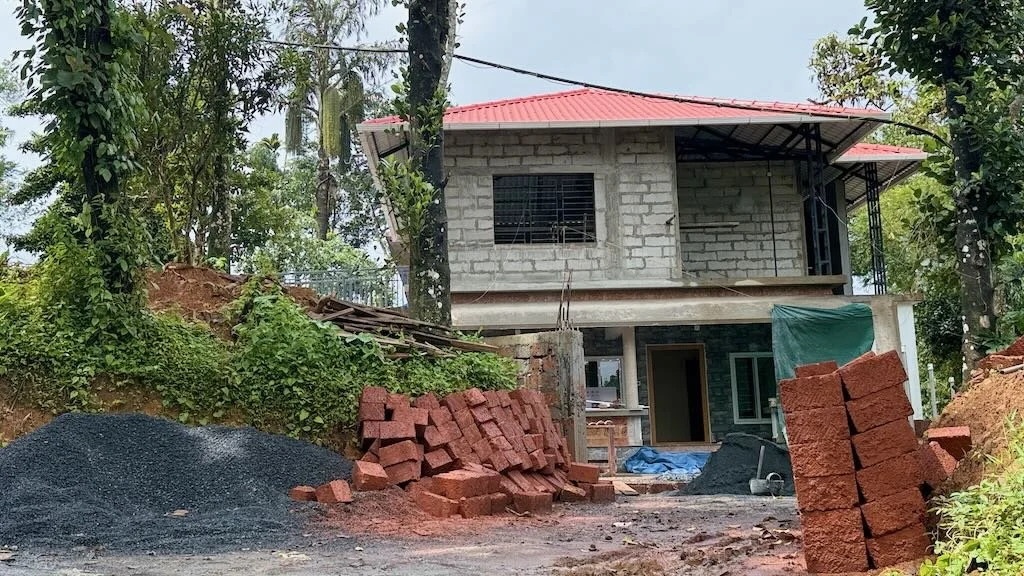
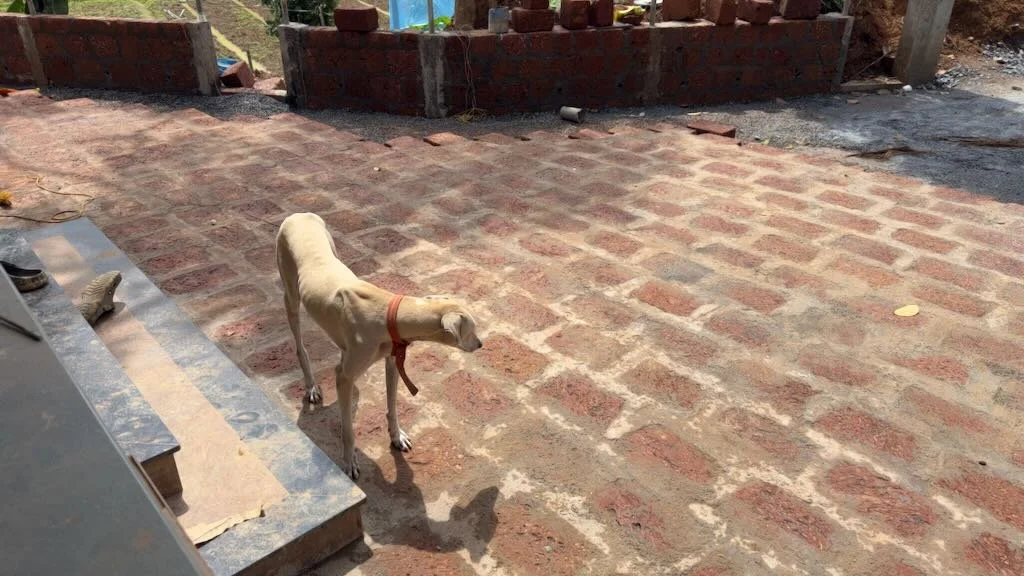
Natural aesthetics: Warm red-brown tones and a textured surface blend well with garden settings, coffee plantations, and rustic or tropical architecture.
Durability: When properly quarried and installed, laterite is strong and weathers well in outdoor conditions.
Slip resistance: The rough, textured surface gives good traction when dry and moderate grip when wet — useful around pathways, patios, and terraces.
Thermoregulation: The stone’s mass helps moderate surface temperatures; it stays cooler than many concrete finishes under sun exposure.
Local and sustainable option: In regions where it is locally available, laterite can be a lower-carbon choice compared with imported stone or heavy processed materials.
Common uses in outdoor flooring
Garden paths and stepping stones
Patio flooring and alfresco dining areas
Courtyards and verandas
Pool surrounds (with attention to slip resistance)
Steps, borders, and low retaining walls (matching material continuity)
Design considerations
Color and texture: Laterite ranges from pinkish-red to deep brown. Select slabs with consistent color for formal areas or varied tones for a rustic look.
Thickness and size: Typical slabs range from 20–50 mm for paving; thicker blocks (50–100 mm) for heavily loaded areas or steps. Larger irregular slabs create a natural flagstone look; cut pavers give a neater finish.
Pattern and jointing: Dry-laid irregular flagstones, tightly jointed cut pavers, or coursed-lay patterns are all options. Joints can be filled with sand, fine gravel, or mortar depending on desired look and permeability.
Permeability: For garden and sustainable drainage, leave slightly wider joints filled with sand or gravel to allow infiltration. For patios, a compacted sub-base and tighter joints with mortar create a more solid surface.
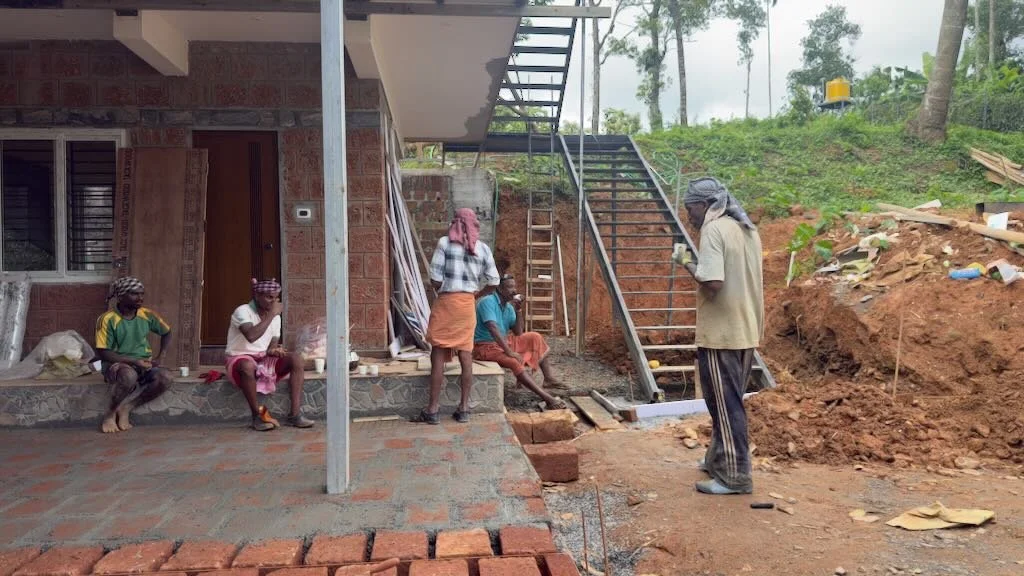
Installation best practices
Proper sub-base: Excavate to the required depth and use a compacted sub-base (crushed stone or gravel) to prevent settlement and ensure drainage.
Bedding layer: Use a compacted sand or sand-cement screed as the bedding layer depending on whether you want a flexible or rigid installation.
Leveling and fall: Ensure a gentle fall (1–2% slope) away from buildings for water runoff. Avoid low spots where water can pond.
Jointing and sealing: Choose joint materials suited to function — sand or gravel for permeability, polymeric sand or mortar for stability. Optional sealers can reduce staining and slightly increase color saturation, but they may reduce slip resistance when wet.
Cutting and finishing: Laterite cuts with masonry tools but can chip; edges can be left natural or dressed for a cleaner look. Surface can be bush-hammered, brushed, or left as-quarried to achieve different textures.
Maintenance: Sweep regularly to remove debris. Rinse occasionally to keep surface clean. Replenish joint material as needed. If used near pools, choose a textured finish and avoid slippery sealers.
Limitations and cautions
Porosity and staining: Laterite is porous and can stain from oil, organic matter, and runoff; sealing reduces absorption but may change appearance.
Weathering and efflorescence: In humid or coastal areas, mineral deposits or a white bloom can appear; periodic cleaning can manage this.
Strength variation: Quality varies by source. Use properly cured and tested slabs for high-traffic areas.
Availability: Laterite is regionally specific; sourcing costs and consistency can vary.
Cost factors
Material availability and quarrying
Slab size and finish (cut, dressed, or natural)
Transportation and handling (heavier, irregular pieces raise installation cost)
Preparation and installation complexity
Sealing or additional treatments
Summary Laterite stone offers a warm, natural, and regionally authentic option for outdoor flooring, especially suited to gardens, patios, and rustic settings. With proper selection, sub-base preparation, and detailing for drainage and slip resistance, laterite can provide durable, attractive outdoor surfaces that complement tropical and plantation landscapes.