Fencing the entire property
First thing that I wanted to do was to fence the entire property.
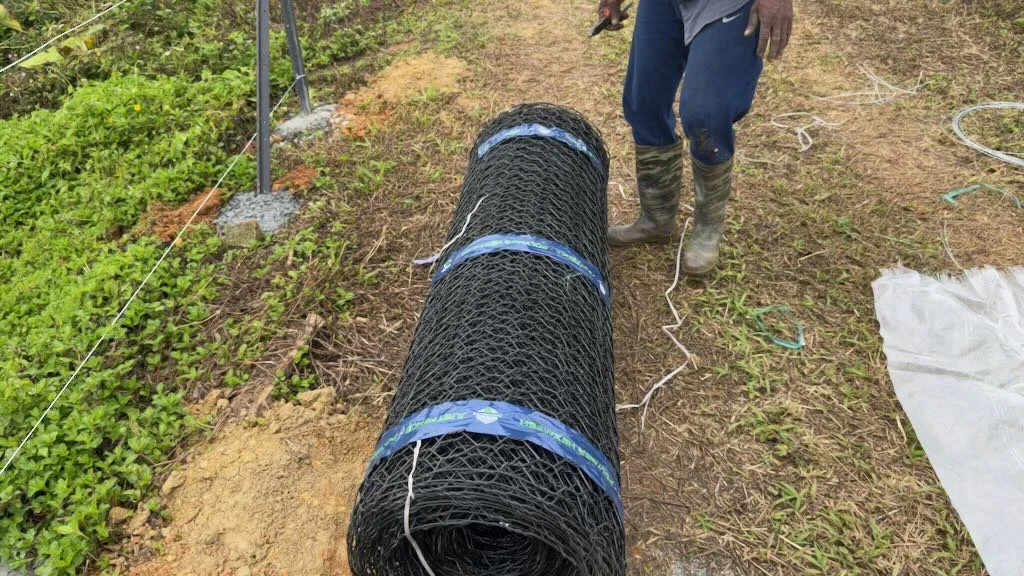

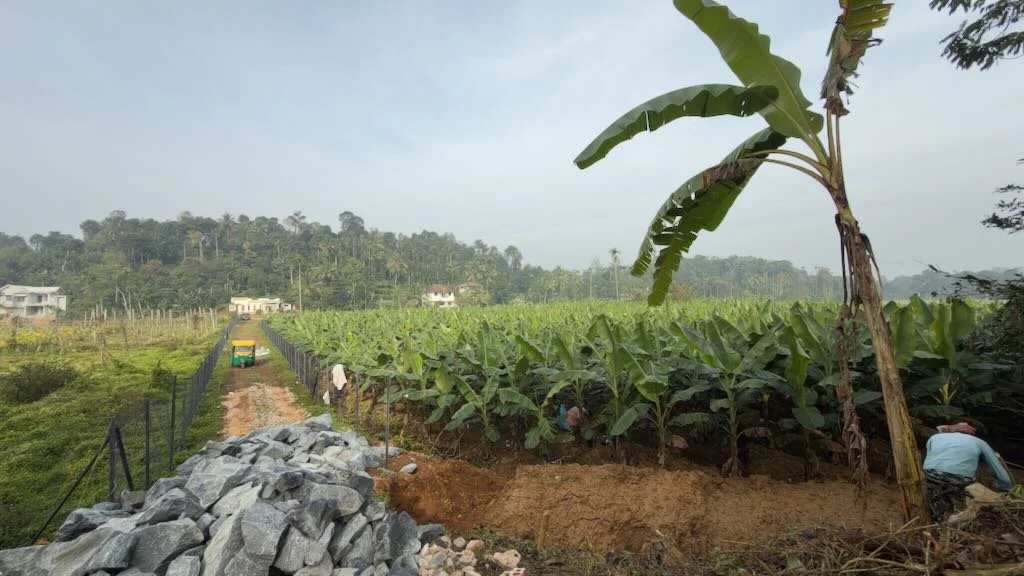
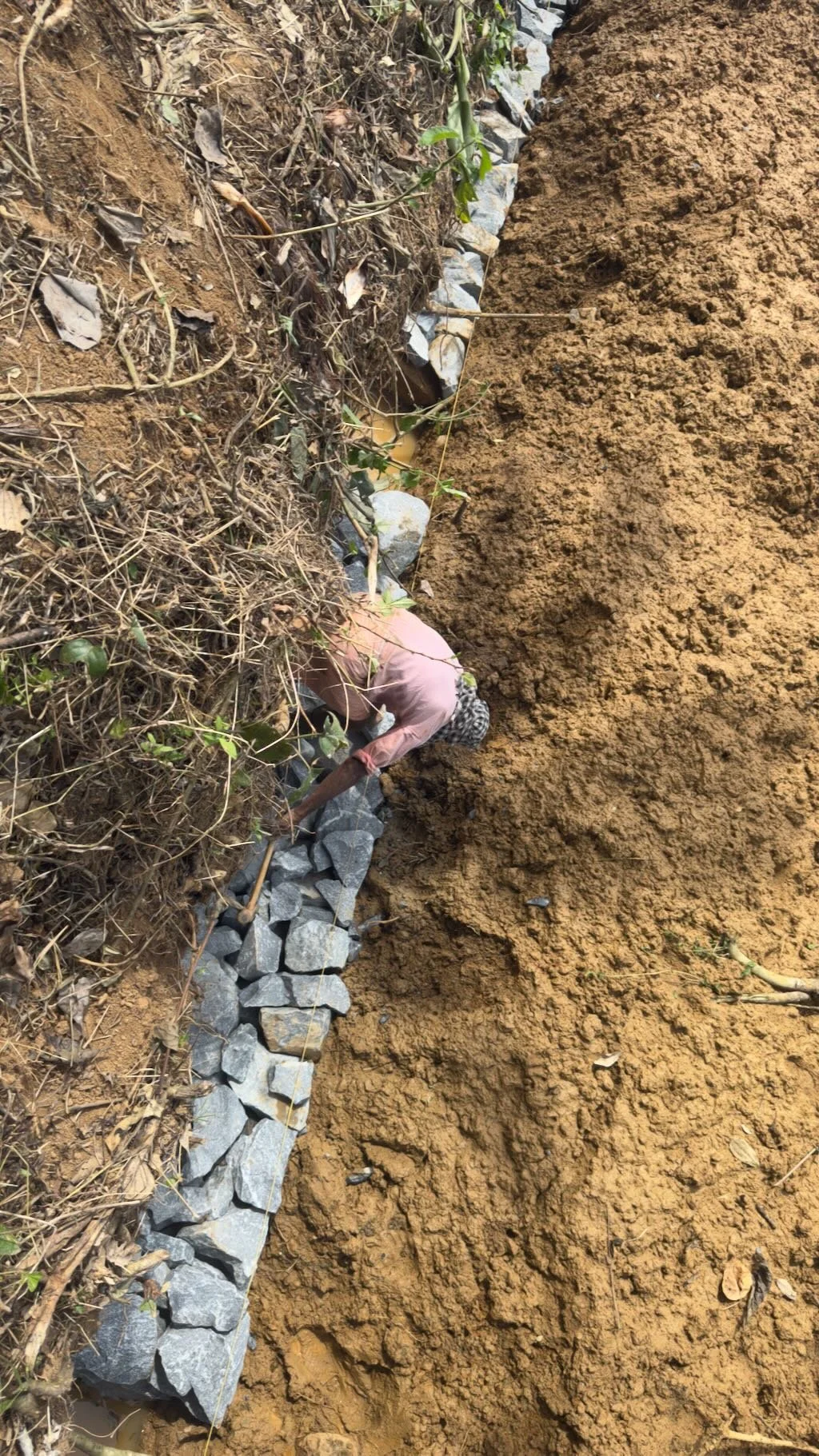


Fencing a newly purchased property is one of the most practical, value-adding decisions an owner can make. It secures boundaries, protects investments, and creates opportunities for landscaping, privacy, and future development. Below are the key reasons to prioritize fencing right after purchase, plus considerations to help you choose the right solution.
Why fence immediately
Define legal boundaries: A physical fence reduces disputes with neighbors and clarifies where your property begins and ends, making it easier to resolve surveys, permits, and title issues.
Enhance security: Fencing deters trespassers, theft, and vandalism. It creates a defined perimeter that enhances surveillance and makes unauthorized access more visible.
Protect assets and livestock: If you have equipment, vehicles, or animals, a sturdy fence prevents loss, injury, and escape—especially important in rural or semi-rural properties.
Improve privacy: Fences provide visual screening from roads or neighboring lots, allowing you to use outdoor spaces more freely and comfortably.
Manage liability: Clear boundaries and controlled access reduce the risk of accidents on your land that could result in liability claims.
Increase property value: Thoughtful fencing boosts curb appeal and can enhance resale value by signaling a maintained, secure property.
Control landscaping and erosion: Fences help keep grazing animals out, protect newly planted trees or gardens, and can be integrated with erosion-control measures on sloped terrain.
Establish a framework for development: A fence outlines functional zones for future structures, driveways, gardens, and utilities, simplifying planning and construction.
Practical considerations before fencing
Verify property lines: Obtain a professional land survey and review your deed to confirm exact boundary lines before installing a fence.
Check local regulations: Review zoning, homeowners’ association rules, and permit requirements. Setback rules, height limits, and material restrictions vary by jurisdiction.
Neighbor communication: Talk with adjacent owners about shared boundaries, potential shared fence responsibilities, and visibility concerns to avoid disputes.
Choose materials wisely: Match fence materials to purpose—chain link for security and cost-efficiency, wood for aesthetics and privacy, vinyl for low maintenance, wrought iron for style, and electric or high-tensile for livestock control.
Consider terrain and environment: Sloped or rocky land, flood zones, and soil type affect installation method and longevity. Use treated posts and corrosion-resistant hardware where needed.
Factor maintenance and lifespan: Balance upfront costs with long-term maintenance. Some materials require staining or painting; others need minimal upkeep but have higher initial costs.
Plan gates and access: Ensure gate placement supports traffic flow for vehicles and pedestrians, and consider locking mechanisms or automation for security and convenience.
Integrate with utilities and landscaping: Locate underground utilities before digging. Design the fence to accommodate irrigation, trees, and future landscaping features.
Innovative design and sustainability options
Living fences and hedgerows: Native shrubs and trees can function as natural barriers that improve biodiversity and aesthetics.
Modular and removable systems: Portable or modular fencing offers flexibility for phased development or temporary needs.
Recycled and low-impact materials: Use recycled composites, reclaimed wood, or sustainably sourced timber to lower environmental impact.
Smart security integration: Combine fencing with motion sensors, cameras, and smart locks to enhance safety while minimizing visual intrusion.
Cost and timeline overview
Cost varies widely: Expect a range from low-cost chain-link installations to high-end custom wood or ironwork. Per-foot pricing depends on material, terrain, gate count, and local labor rates.
Installation timeline: Simple runs can be completed in days; complex sites with slopes, drainage, or permits may take weeks. Start planning early to avoid delays that leave the property exposed.
Final takeaway Fencing a newly purchased property is more than a boundary marker—it’s an investment in security, privacy, legal clarity, and future development. Prioritize a survey and local compliance, choose materials and design to match your goals, and consider sustainable and smart options to maximize value. A well-planned fence protects your asset and sets the stage for confident, creative use of your land.