Redesigning a old house to a modern one
Pros and Cons of Renovating an Old House to Make It Modern and Functional
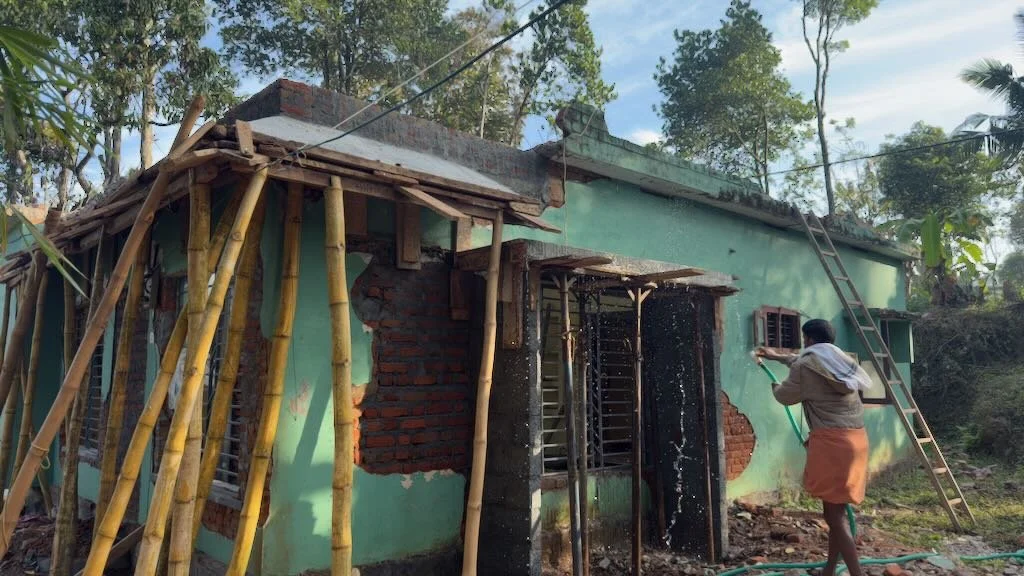
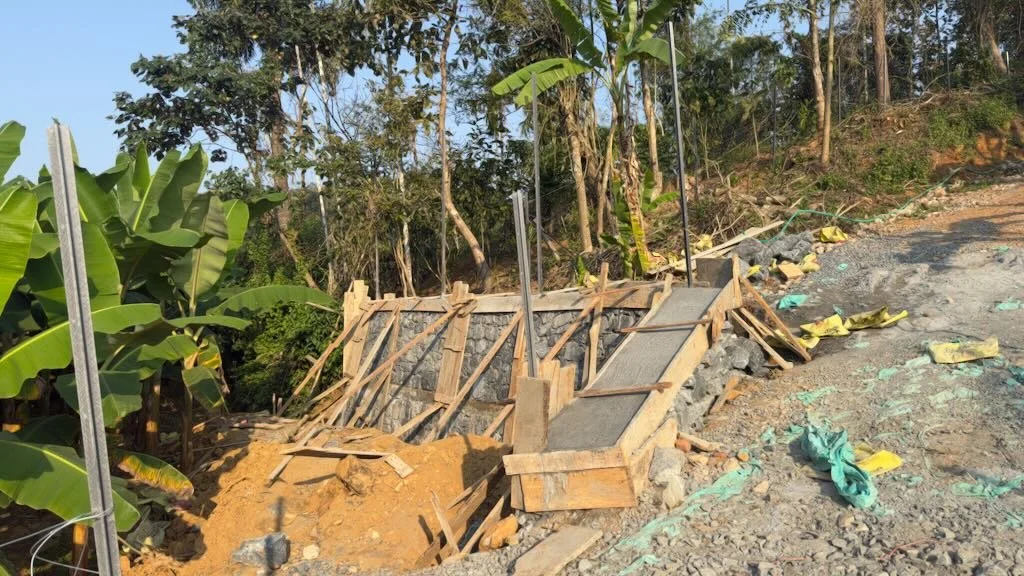

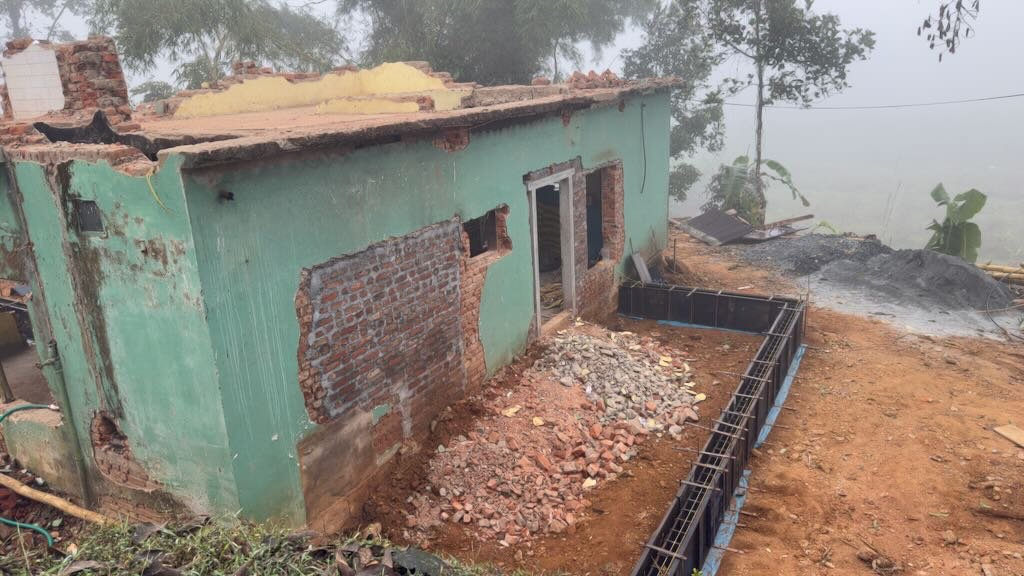
Pros
Character and charm preserved: Older homes often have unique architectural details—molding, original woodwork, high ceilings, period windows—that are costly or impossible to replicate. Renovation lets you retain that distinctive character while updating functionality.
Location advantages: Many older houses sit in established, desirable neighborhoods with mature trees, walkability, and proximity to amenities, which can be hard to find in new developments.
Potential cost savings vs. new build: Depending on the project scope and local construction costs, renovating can be less expensive than tearing down and building new, especially when the structure and foundations are sound.
Sustainability and embodied energy: Reusing the existing structure conserves the embodied energy already invested in materials and construction, reducing waste and environmental impact compared with full demolition and new construction.
Opportunity for customization: Renovation allows you to modernize layout, systems, and finishes to your needs while keeping the best original elements. You can phase work over time to spread cost.
Increased property value: Thoughtful, high-quality renovations that improve function, efficiency, and aesthetics typically increase market value—especially when they respect the property’s character and the neighborhood.
Improved systems and efficiency: Modernizing plumbing, electrical, insulation, HVAC, and windows can dramatically improve comfort, reduce utility bills, and meet current safety standards.
Cons
Hidden surprises and costs: Older homes often hide issues—structural damage, rot, outdated wiring, asbestos, lead paint, plumbing problems—that only emerge once walls or floors are opened, leading to budget overruns and delays.
Unpredictable timeline: Unforeseen complications, permit delays, or specialty trades for period details can push schedules beyond initial estimates.
Compromises on layout and structure: Load-bearing walls, narrow footprints, or foundation constraints can limit how radically you can change the floor plan without costly structural work.
Higher maintenance requirements: Even after renovation, older properties may require ongoing maintenance for original materials or systems that are retained for aesthetic reasons.
Permit and regulatory challenges: Historic districts or local conservation rules can restrict exterior changes, window replacements, or additions; compliance can add cost and limit design freedom.
Cost of matching materials and craftsmanship: Reproducing period-appropriate finishes or restoring original features often requires skilled artisans and specialty materials, which are pricier than standard modern finishes.
Possible lower efficiency ceiling: While upgrades improve performance, some older structures may never reach the same energy efficiency as a purpose-built modern home without major invasive work.
Emotional and decision fatigue: Renovations—especially extensive ones—demand many choices, continual coordination with contractors, and coping with living in or managing a construction site.
Practical considerations before deciding
Conduct a thorough inspection: Hire structural, pest, and systems inspectors experienced with older homes to uncover likely issues and refine budget and timeline estimates.
Prioritize scope: Distinguish must-haves (safety, structural, systems) from nice-to-haves (cosmetic, luxury) to allocate budget wisely and avoid scope creep.
Budget contingency: Plan at least 15–30% contingency for surprises; larger older projects may need more.
Historic rules and permits: Check local preservation rules, zoning, and permit processes early to avoid redesigns later.
Phasing and temporary housing: Decide whether to live on-site during work and plan phasing or temporary relocation if heavy structural or system work is needed.
Work with specialists: Engage architects or contractors experienced in renovating older homes; they’ll better navigate challenges, source appropriate materials, and protect character while modernizing.
Consider sustainability choices: Upgrading insulation, windows, and HVAC, and selecting durable, low-maintenance materials can improve long-term performance and reduce lifecycle costs.
Bottom line Renovating an old house to make it modern and functional can deliver a unique, character-rich home in a desirable location while conserving resources—but it requires realistic budgeting, expert inspection, and acceptance of unknowns. When planned and executed thoughtfully, renovation can offer the best of both heritage and contemporary living; if constraints, risks, or regulatory limits are too high, a new build or partial teardown may be the more practical route.
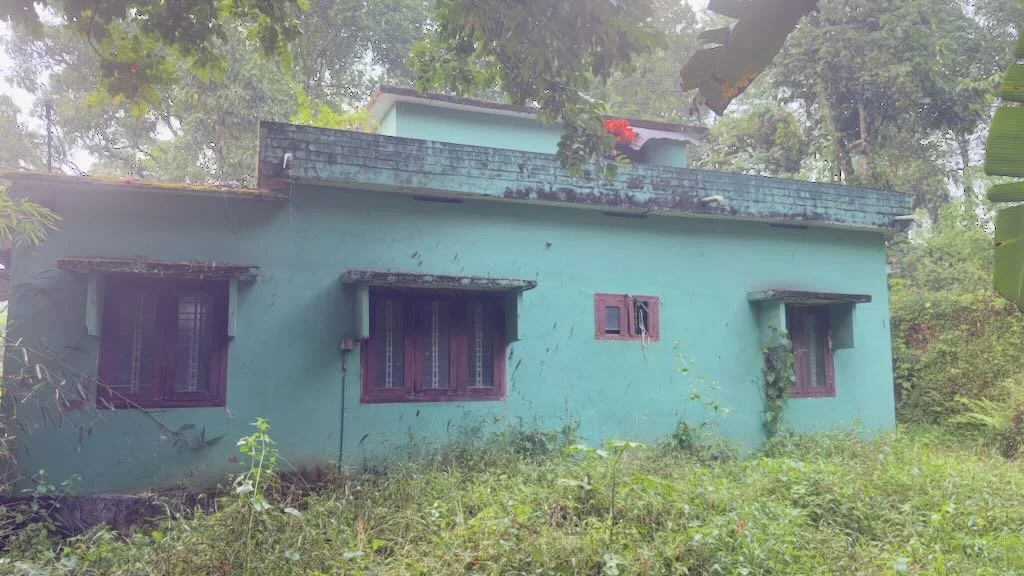
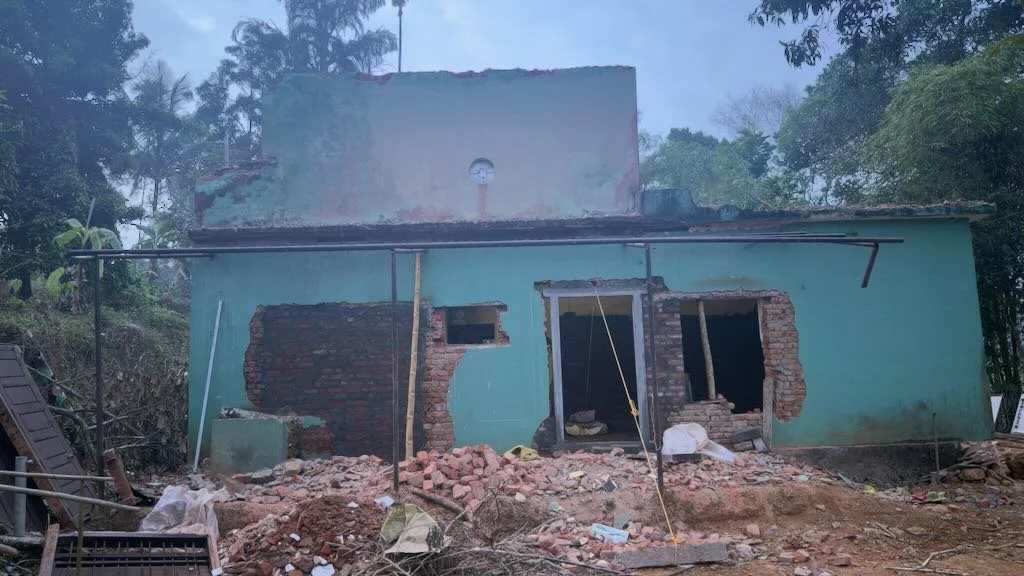
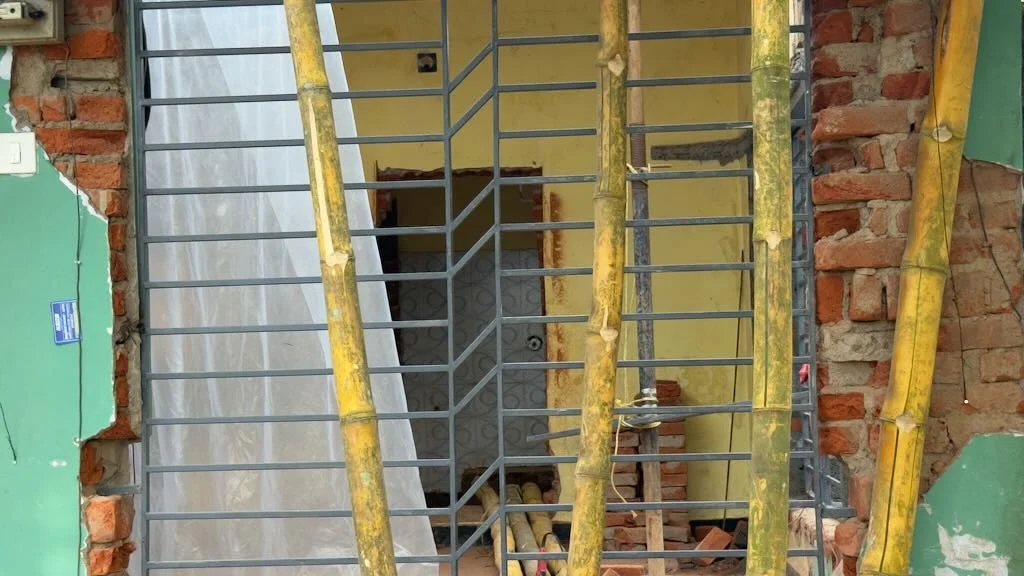
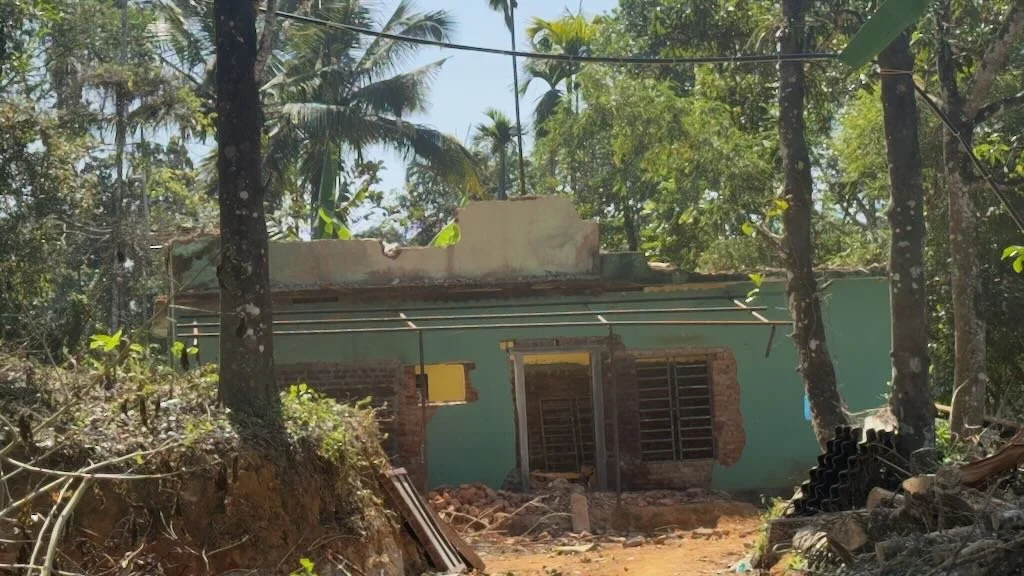
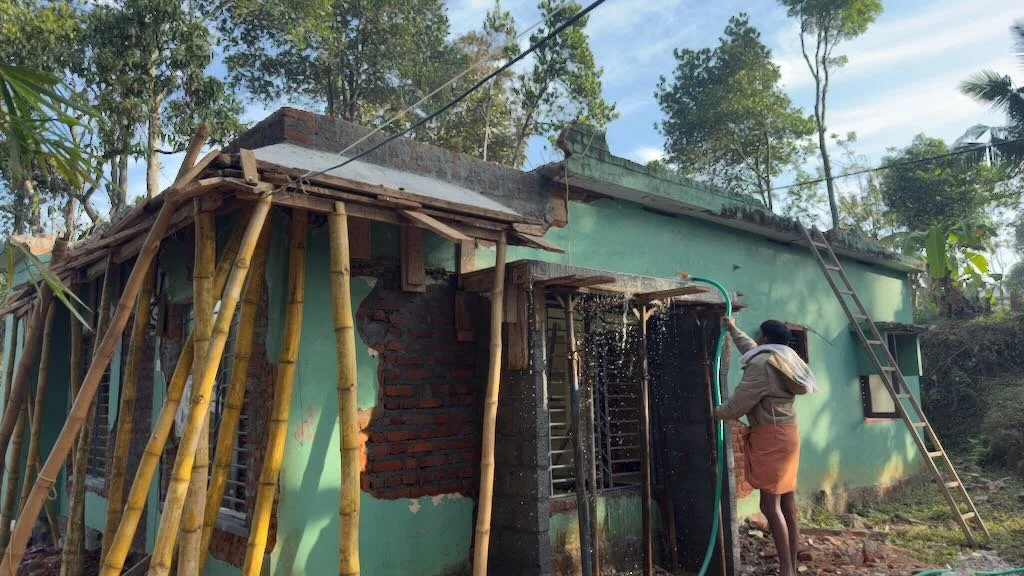
This was the old house, about 30 years old
I decided to keep the old house and work on it, which now I feel was a mistake, but still almost done with the final product.